

Overdose Awareness
What is an overdose?
An overdose happens when a person takes too much of a drug, or when they use a combination of drugs and/or alcohol that causes a toxic reaction. This can lead to people becoming seriously unwell, permanent damage, or death.
Overdoses can occur with both illicit and prescribed drugs. They can also happen when a substance contains adulterants that the individual is unaware of. An overdose may be accidental or intentional.
Overdoses can be prevented. By understanding the risk factors, recognising the warning signs, and knowing how to respond in an emergency, we can help save lives and support those affected by substance use.
Why overdose awareness matters
Overdose affects more than just the person experiencing it. It affects their loved ones and communities.
Increasing awareness helps to:
- Encourage more people to carry naloxone, a life saving drug that reverses the effects of an opioid overdose
- Challenges stigma around substance use
- Promote harm reduction approaches and better understanding of how to reduce the risk
- Encourage people to seek help when they are ready to do so
- Saves lives through earlier recognition and response
Understanding and compassion around overdose and substance use can make it easier for someone to access the help that they need.
Recognising the signs of an overdose
If you suspect that someone may be experiencing an overdose, always seek medical assistance immediately, even if you are unsure. Acting quickly can save a life.
The signs of an overdose can vary depending on the substance involved, but some common warning signs include:
Common signs:
- Unresponsiveness or inability to wake the person
- Confusion or disorientation
- Difficulty breathing (slow or no breathing at all)
- Seizures
- Pale, blue or grey skin, lips or fingernails
- Agitation, paranoia, hallucinations or violent behaviour
- Nausea and vomiting
Signs of an opioid overdose
- Unresponsiveness
- Pinpoint pupils
- Blue, gray or purple lips and fingertips
- Limp body
- Slow heartbeat
- Slow or no breathing at all
- Gurgling, choking or rattling sounds
- Cold, clammy skin
What to do in an emergency
If you see someone who might be experiencing an overdose, acting quickly can save their life.
- Call 999 and ask for an ambulance
Call emergency services immediately. Let the operator know that you suspect an overdose and share any information you have about what substances may have been taken. Even if you are unsure, medical professionals can provide the urgent care and treatment needed.
- Stay calm and reassuring
If the person is conscious and responsive, try to keep them calm. Let them know that help is on the way and encourage them to stay awake and engaged in conversation where possible.
- Stay with them
Do not leave the person alone. Monitor their condition closely and be prepared to provide updates to emergency services if their symptoms change.
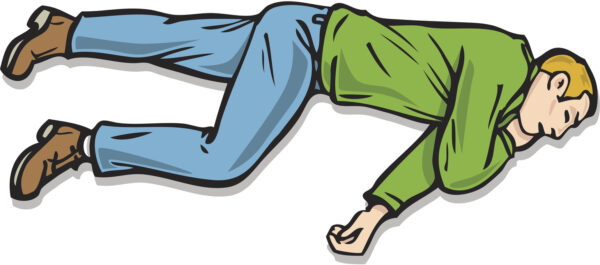
- Place them in the recovery position if they are unresponsive
If the person is unconscious but breathing, place them in the recovery position. This helps keep their airway open and reduces the risk of choking if they vomit.
- Administer naloxone if available
If you suspect an opioid overdose and naloxone is available, administer it according to the instructions provided. Naloxone can temporarily reverse the effects of an opioid overdose, but emergency medical assistance is still required, even if the person appears to recover.
What is naloxone?
Naloxone is a life-saving medication that can temporarily reverse the effects of an opioid overdose. When someone experiences an opioid overdose, their breathing can become dangerously slow or stop altogether. Naloxone works by blocking opioid receptors in the brain, helping to restore normal breathing and giving the person valuable time until emergency medical assistance arrives.
Naloxone is safe to use and will not cause harm if administered to someone who is not experiencing an opioid overdose.
Although naloxone only works on opioids, it can be difficult to know exactly what substances a person has taken. With the increasing presence of potent synthetic opioids such as nitazenes in a range of drugs, carrying naloxone has become more important than ever.
To learn more about nitazenes and the risks they pose, visit: https://codurhamrecovery.co.uk/advice/nitazenes/
Naloxone kits are available from local drug and alcohol services following brief training, including through our service.
For more information about naloxone, visit our dedicated webpage: https://codurhamrecovery.co.uk/advice/opiates-and-naloxone/
You can also visit one of our centres to receive free naloxone training and access a naloxone kit.
Naloxone saves lives. Carrying it, knowing how to use it, and acting quickly in an emergency could help save someone you care about.
Reducing the risk of overdose
While overdoses can happen to anyone, there are steps that can help reduce the risk:
- Avoid using alone – If possible, be with someone you know and trust who can respond and call for help if something goes wrong.
- Avoid mixing substances – Combining different drugs, or mixing drugs with alcohol, can significantly increase the risk of overdose.
- Carry naloxone – Naloxone is safe, easy to use and can save lives by temporarily reversing an opioid overdose.
- Start low and go slow – Your tolerance may have changed, particularly after a break from using. The strength or contents of a substance may also be different than expected.
- Access support when you need it – Support is available whenever you feel ready to reach out.
Challenging stigma
Stigma surrounding substance use can be a major barrier to people seeking help and support. Substance use can affect people from all walks of life, regardless of their background, age or circumstances.
Using respectful language, having open and compassionate conversations, and creating supportive environments can help people feel more comfortable accessing the help they need. Reducing stigma helps reduce harm and can ultimately save lives.
Remember: overdose can be prevented
Understanding the signs of an overdose, knowing how to respond, carrying naloxone, and supporting people without judgement can all make a difference.
By raising awareness, acting quickly in an emergency, and encouraging people to access support when they need it, we can help prevent overdose and save lives.